

Mid-360S
Compact 360° sensor for mobile robots and service platforms.
40 mrange
360°field of view
265 gweight
Livox LiDAR sensors for robotics, autonomous vehicles and 3D mapping — precise, compact and built to work in the toughest conditions. Now available in Europe.
From compact robotics to long-range mapping — pick the model that fits your application.
Compact 360° sensor for mobile robots and service platforms.

Cost-effective 360° sensor for robots built in volume — mowers, cleaners, AMRs.

Ultra-long-range sensor for power line, railway and waterway monitoring.

Previous generation of the compact 360° sensor — superseded by Mid-360S.
A LiDAR sensor measures the time of flight of a laser pulse and returns a distance — repeated hundreds of thousands of times per second, in every direction its optics can reach. The result is a point cloud: a geometric record of the surroundings that's independent of lighting, texture, and the conditions where computer vision fails. This is exactly what Livox supplies — a sensor, a scanning head. It's the component around which a robot manufacturer, integrator, or measurement-system supplier builds their solution.

A sensor in the Mid-360 class fits in a cube just a few centimeters on a side, weighs under three hundred grams, draws a few watts, and costs a fraction of a mechanical LiDAR with comparable coverage. That shift in the cost-viability threshold has opened up applications that simply didn't pencil out before: handheld SLAM scanners priced like a total station, inspection robots and legged platforms, AGV forklifts, and drones operating without GNSS.

The design difference starts with the optics themselves. A classic multi-layer LiDAR spins an assembly of lasers and detectors, tracing a fixed set of horizontal lines — cloud density is determined upfront by the number of layers and doesn't increase over time.
Livox uses a hybrid architecture with a rotating prism and a non-repetitive scan pattern: the beam never retraces the same path, and with every additional second of measurement it fills in more of the field of view. A sensor held still keeps densifying the cloud instead of repeating the same image — and the operator can trade integration time for resolution, a real quality lever in static scans and slow-moving platform passes.
The rest is the software layer. Livox sensor heads have a documented data path into ROS and ROS 2, and a mature ecosystem of LiDAR-inertial odometry algorithms has grown up around their point-cloud format: FAST-LIO2, Point-LIO, R3LIVE. A built-in IMU, factory-synchronized with the LiDAR, removes the most tedious part of integration — time and spatial calibration between two separate sensors.

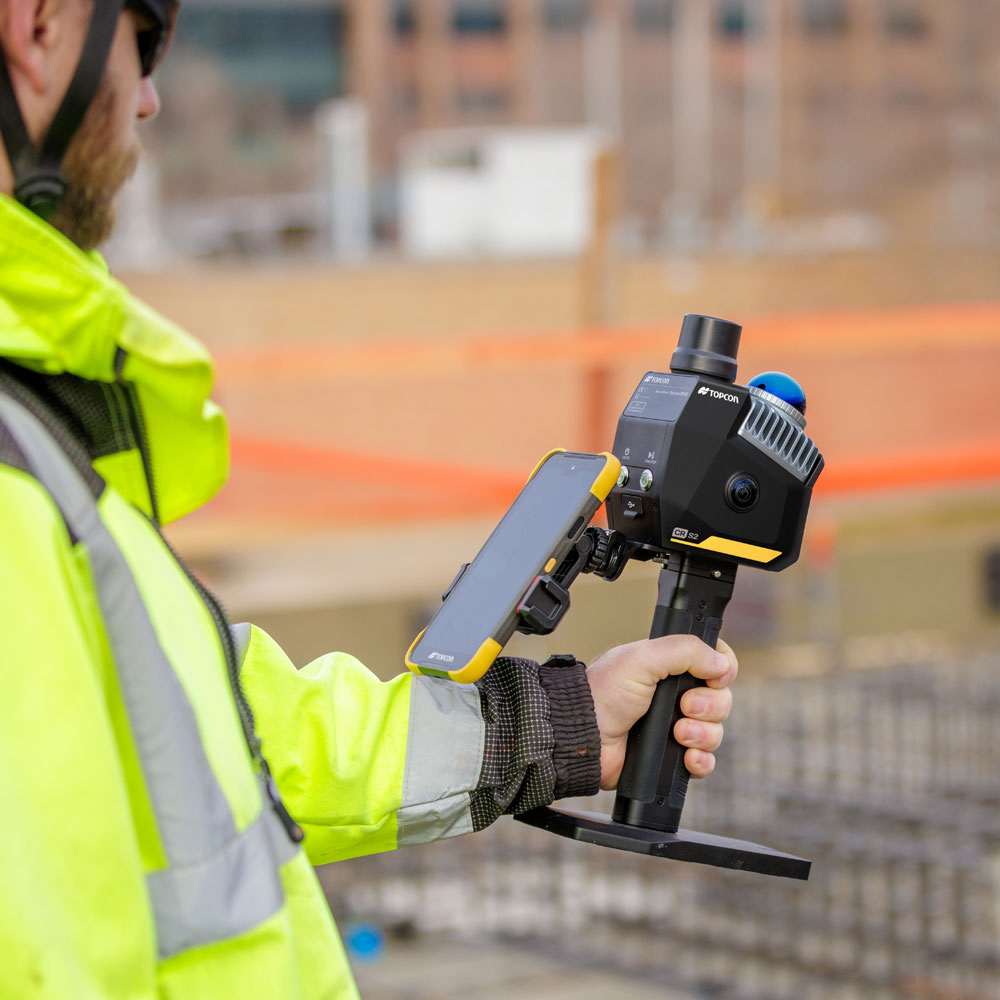
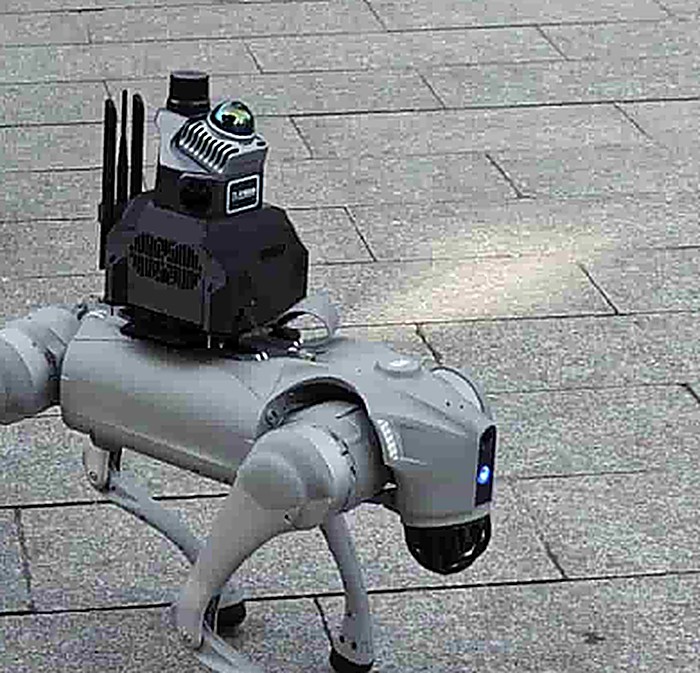
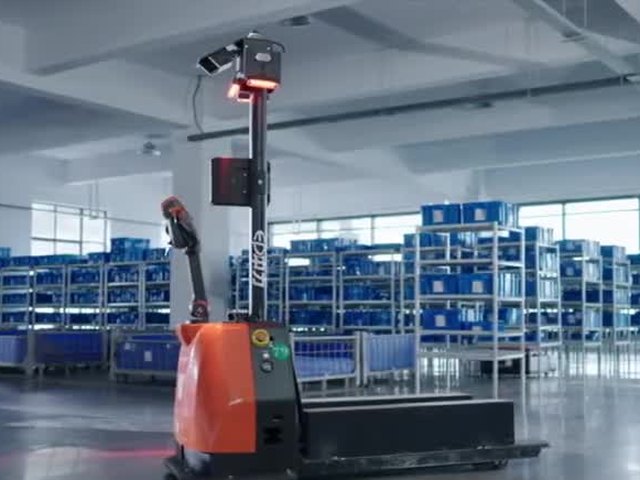

Proprietary scanning optics, noise-reduction algorithms and non-repetitive scanning architecture — combined in one compact module.
A rosette scan pattern delivers growing scene coverage over time — the longer you look, the more detail you see.
Thanks to 905 nm-class lasers and advanced receiving optics, we detect objects where conventional sensors lose signal.
A sealed housing and vibration resistance keep sensors working in dust, rain and temperatures from -20°C to 65°C.
A full C++ and ROS/ROS2 SDK, ready-made drivers and API documentation speed up integration with your system.
A built-in signal processor filters noise and fog in real time, offloading your host system.
A unified mount and connectors across every model let you scale your fleet without redesigning your system.

Fill in the form and our engineering team will get back to you with a tailored quote.
37 years of experience in measurement technology across six countries in Central Europe. Supporting customers and B2B sectors in surveying, construction, industry and precision agriculture — combining consulting, equipment supply, deployment, training and service in one place. Located in Warsaw, Poland.